Blackened, yet Brightened

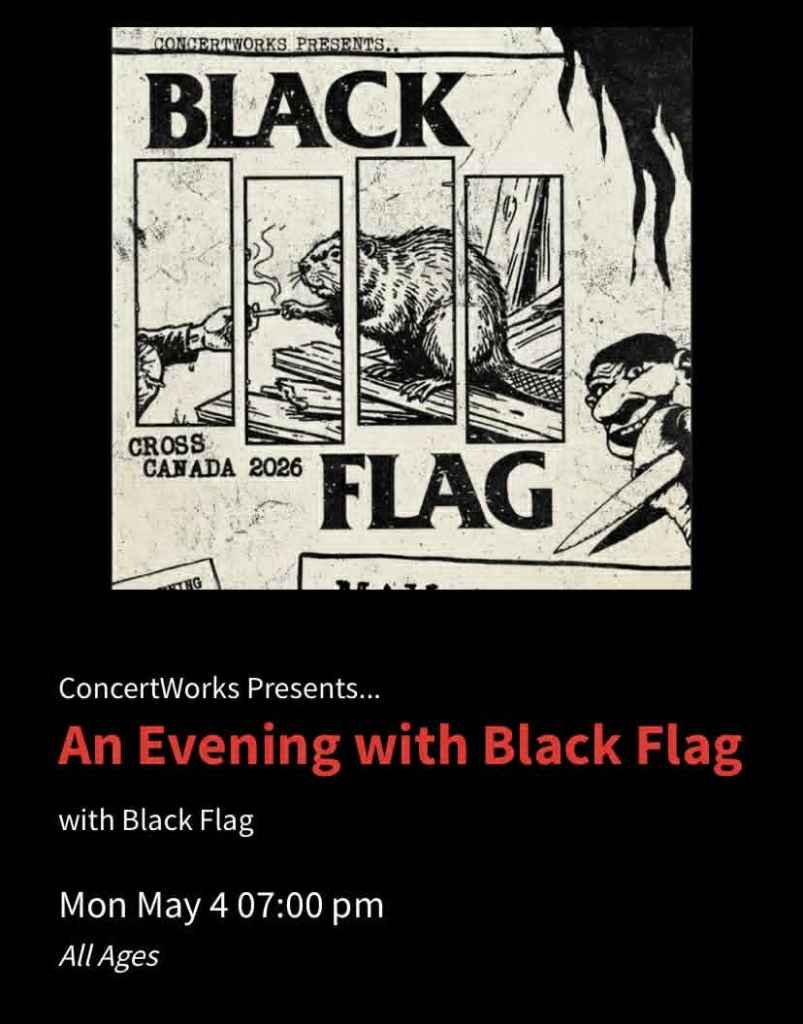
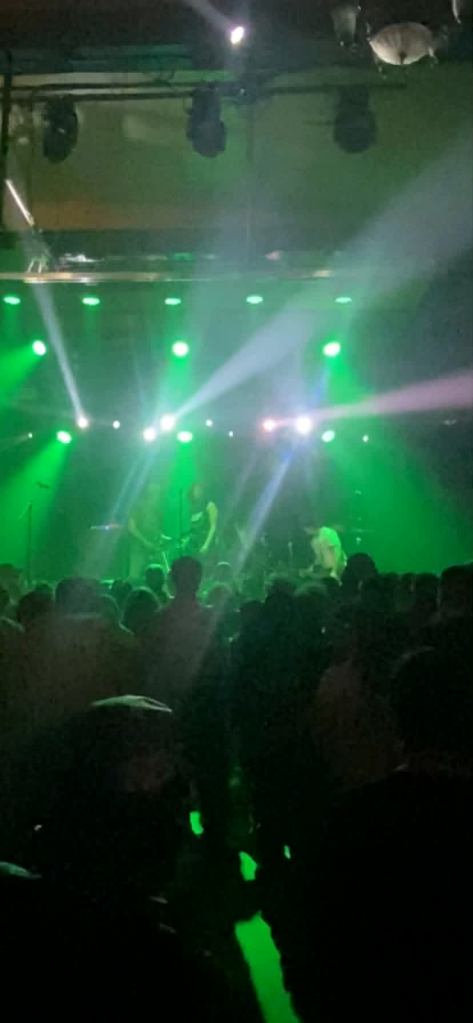
I’ll be honest, this was not an event I was waiting to attend for decades (as, on the other hand, it was with Exploited, seen three weeks earlier), though I am a Black Flag fan since ‘97. Mostly because seeing them live wasn’t something realistic, considering all the key members coming and going and forming other bands and suing each other in between. Thus, seeing the upcoming show ad on the wall invoked more of a “Yeah right must be a joke” reaction out of me and I didn’t buy a ticket for weeks after. But I did buy it, because even 71 years old Greg Ginn with performers at least thrice younger than him is still THE Greg Ginn playing Black Flag songs, so WTF am i really contemplating this for?!?

First impressions of the event were amazing already. A guy with electric violin plopped himself two steps from entry door (right next to me) and went jigging it out. He was very good but i felt like paying him to go away because my ears hated it – too close. Except for a couple teens who dropped coins into his can, nobody cared for the dude’s work. Sorry, pal, but we didn’t come here to see Dropkick Murphys, ok?

Funny enough, the day wasn’t yet done with violins. Upon my entry into the might Starlite Room, the sound guy was playing Mahavishnu Orchestra ‘Birds of Fire” on the PA! Which is an amazing record, hands down, that i was enjoying for decades, but more amazing is that: 1) it is not something you are likely to hear before a punk show (although Black Flag were/are quite experimental); 2) even more nuts is that i was going through the linear notes of that very CD, borrowed recently from the public library, an hour prior to the show! Wow. I didn’t believe my ears! But looking at the sound guy’s monitor i knew i got it right. I’ve briefly talked to his majesty Sound Master right after. We had a good laugh. And then he played Thin Lizzy for half an hour. Then – Cramps, SNFU, and DRI . Nice evolution!

Also, during that first half hour there were over fifty rockers in the room and I was the only longhaired guy. I shared that thought with a couple standing next to me. Fella said “Oh, thats becoming a norm now. Well, Metallica guys all looking shorthaired and respectful now.” Wtf?? Dude must be living in a forest.

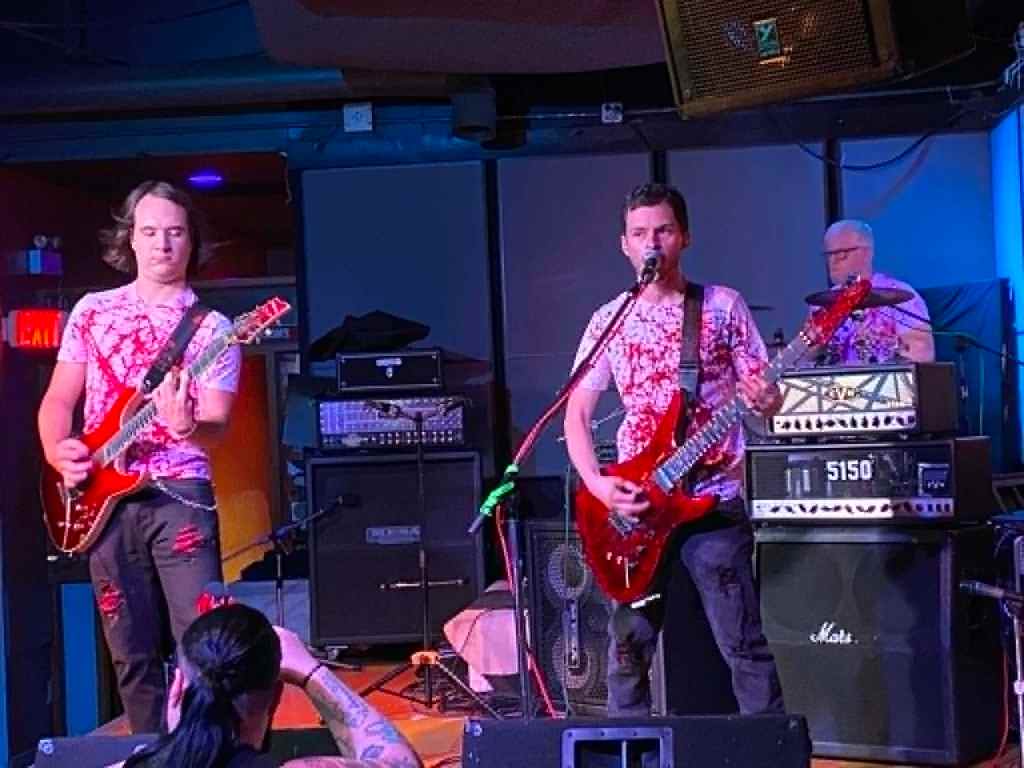
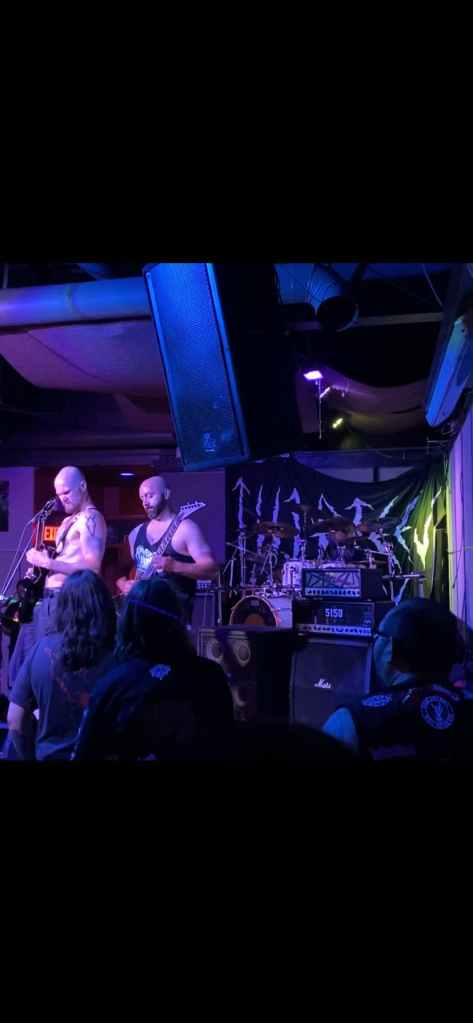
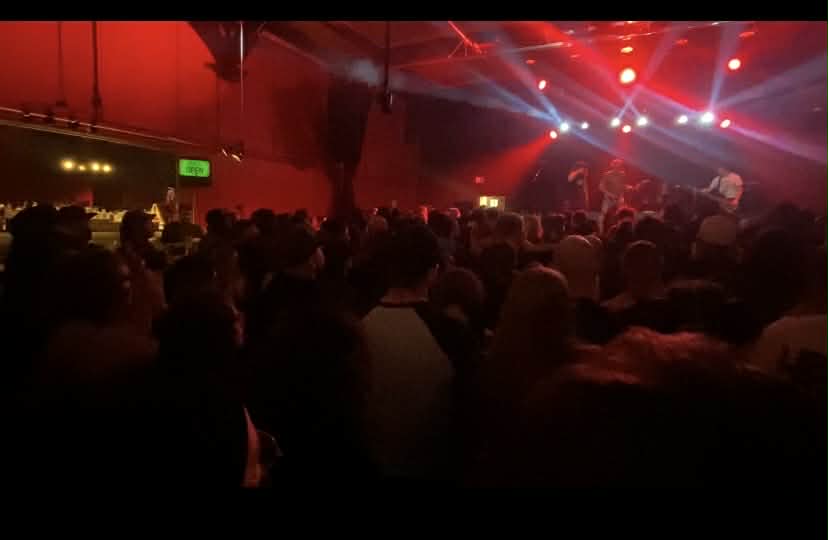
Anyway, Black Flag formation 2026 took the stage later than 8pm sharp but totally SLAYED! Besides Gregg looking quite in shape and with a cool transparent plastic body of a guitar, the band was also very pro at what they do and it was absolute pleasure to hear them. The drummer was friggin awesome, and the vocalist Max was totally born to be in this band, even though she is literally decades away from BF heyday (she also revealed she was either born or raised in Edmonton. small fkn world, hey). I hope this line-ip will last, and record, and release something tangible together. We had to our listening pleasure a mind-bogglingly all-inclusive set list and great sound. Audience was nuts and happy, I’ve spotted one case of stage diving and all kinds of moshing, including a circle pit involving the bassist who kept playing(!). I met some new people, which happens rarely. Great night. Thankyou Starlite!

#blackflag #punk #punkmusic #starliteroom #mahavishnuorchestra (haha)

Famous in Death

Bob_01“His name was Robert Paulson.”

“I’m sorry sir, but there are no names in Fight Club.”

“Oh, I get it. In death we get our names back!”

“His name was Robert Paulson!”

“His name was Robert Paulson!” © Chuck Palaniuk


I have no idea why this memory about Fight Club movie came to me one day as some sort of a revelation. I wrote it down in the notebook, but months later when I’ve read it, it made no significance at all. Yet I pondered it some more, and I remembered a poem I wrote over ten years ago.

It was about famous people that I’ve learned about in school. We were taught of them because they were inventors and geniuses. They were responsible for all the great things we had in life and we were learning of them. I secretly hated them all because I didn’t care for school. Those folks created or explored something and now I had to grind my brain into dust to learn what it was about. Frankly, some things I’ve learned in school are just plain useless, like geometry or organic chemistry. Maybe not to you, dear reader, but to me for sure.

Years later I started thinking that these famous people were not just inventors. They were people who lived lives, had families, had fun outside the lab (hopefully) and maybe never even expected their inventions to put their names into the gold fund of human culture and made them practically immortalized. So that poem was some sort of an apology to the bunch.

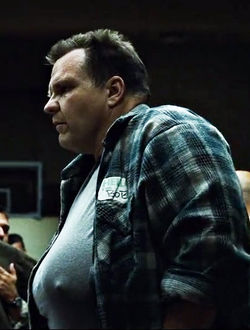
Having that brought to memory, the Fight Club paragraph I freely quoted out of memory makes sense. Robert Paulson (in the movie played by Meat Loaf) gets killed during putting Project Mayhem into life. In the past he was a famous wrestler, but after experimenting with steroids becomes extremely obese, as the result of which his children turned away from him. After going to self-help groups for people with near fatal health issues (I think Robert had testicle cancer), he joins Fight Club. FC mission gets him killed, but it appears he had the most fun in his later life by serving Project Mayhem.

What does this matter?

I will make here a brave assumption that we all want to be Robert Paulsons. If we are nobodies, that is. Nobodies that tried to accomplish something special, but got either fucked by life or by our own actions (too much, too soon, not enough, etc.) We want to carry something out in life that people may even benefit from (Project Mayhem was originally designed to liberate the masses, in a crude way though), and then hailed as heroes, even if fallen in the line of duty. But it’s not to be greatly famous. It’s to be happy with what we are doing and feeling validated for our efforts. Having our names included into the gold fund of human culture and becoming immortalized probably isn’t the goal. We just want our efforts to count. Well, at least I know I do.

Cliff Burton, the second of official four Metallica bass players, and the most famous of them, said that if you wanted to succeed in something, you need to marry yourself to it. I liked that expression that was attributed to him the first time I read it, over 20 years ago. At that time, I was trying to learn playing guitar, but I haven’t put a lot of effort into it and I haven’t got far, naturally. I saw however that my writing was getting better and there were certainly more people appreciating my efforts in putting stories together. So, I’ve stuck with writing. I can’t say I got much success. Quite the opposite. Trying to break through, I submit my stories to competitions of all kinds, but deep inside I know I need to be writing query letters to get longer stories in. And what do I do about that? Procrastinate by keeping writing longer stories and keeping submitting shorter ones to magazine competitions.

Writing is fun, and stories are good, but lately only one other person reads them. Maybe one day I will learn to do the right thing… before Project Mayhem of my own kind gets me checked out for good.


the image was copied from https://fightclub.fandom.com/wiki/Robert_Paulson

thank you, Fight Club fan page

Yes, You Can Write

painFor me writing is like breathing air, just as vital. I started writing stories, poems, connected ideas in my early teens and never stopped.

Also, writing became as easy as breathing air, although I don’t think I took it for granted, because I was always dedicated and practiced writing endlessly. No, I haven’t mastered it, and I still haven’t written a bestseller, but words are laid out easier these days, and ideas come out clearer with less effort. So, if I am asked if I write well, I answer that it’s up to them to decide, but it goes well, and it goes effortless more often than not (I better not jinx myself here).

Having said that now, I must admit I’ve met quite a bit of people who said they cannot write. Cannot write for the life of them. I met the majority of these people in recovery program where I was the counselor and they were the clients, and the conversations were about writing down thoughts, frustrations, resentments, and keeping a diary. I pressed on the importance of letting out the negative, the overbearing and lasting sorrow, as well as desires, ambitions, unrealized plans, and hopes for the future. I suggested to submit all these to paper. I urged my clients to write and keep the positives, to jot down and save the negatives that are good to refer to and compare “then and now” experiences to witness the progress of recovery. I proposed putting down particularly nasty ideas that they’d want to say to others and after all was written down, destroy it so it would be out of mind, out of sight, and out of the room.

And they just wouldn’t do it. They said they would try. They wrote down relapse prevention plans OK, but they wouldn’t write down a diary or destructible material. Because they couldn’t write.

Which struck me as odd. Granted, some people don’t get enough schooling for whatever reason, and then whatever education they did get, they didn’t have a chance to practice it. But people who did get it, they wouldn’t give it a try either.

I carried that in my head for a while, as one of the usual wonders. And I still kept meeting people in recovery, at work or not, that said they couldn’t write like me, although they never read whatever I wrote, because I am really not that famous yet : ) To me, writing is just… what? You take a pen and start jotting stuff down. OK, these days most people type. No problem. You type, adding a word to a word, because you still have to get your resumes and shopping lists done, right? So, you can do that. You come up with an idea, and you just follow up with it, one thought clings to the other, and the tale of whatever you want to discover starts unfolding. It may take you half hour or three days, but something comes out on the paper, or on a digital document from under your fingers and there you go. How hard can that be, I mused, no matter what you write, an essay, a poem, a ten-sentence summary of your life?

And then I had a conversation with a person who had to confirm that all the people I talked to about writing were in recovery from substance abuse and addiction. And she pointed out that people who go through recovery are not there because their life was so great and she reminded me how much does that have to do with childhood and teen trauma. This person said that people who are enslaved by addictive and destructive behavior most likely were talked down to, get bullied, so often in the family when they were young. Statistics prove that. These people were told they (or sometimes they wrongly perceived the message) that they are worthless, dumb, and good for nothing. Many of them would have witnessed terrible and nasty things happened to their family and/or they were taken away from their families. They wouldn’t do good in school, in relationships, at work, etc. How often would they blame themselves to be the reason of what was happening to them? What kind of understanding of self could they get out of that? Whatever skills and talents they may have acquired through the years, they may have given up on them. And if they never were encouraged to seek and develop such skills, they would never come to see themselves as good at anything, including writing down a ten-sentence summary of their life.

I thought about that, how lucky I was to have a better life and being able to put my ideas on something where I can keep them and make sense of my world through doing so. Was I taking things for granted until now?

At least now I think I can understand people a little bit better. And yes, I will still encourage them to write.


the front image was copied from http://www.myniceprofile.com/emo-60059.html. thank you.